
Tooth discomfort can rapidly increase overnight, resulting in the need for emergency dental work.
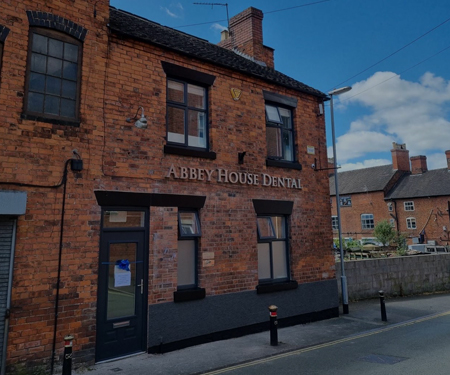
At Abbey House Dental, we understand that dental emergencies can be inconvenient and troublesome, and we are here to support you and get you treated as quickly as possible.
We are available to treat cracked or broken teeth and dislodged teeth. If you are in an accident and damage your teeth, you must see an emergency dentist promptly.
At an emergency dental appointment, you can expect the same level of treatment as a scheduled appointment.
Most emergency dental appointments in Stoke-on-Trent, Staffordshire, follow this schedule.
Thorough Examination
Our emergency dentists in Stone and Stoke-on-Trent, Staffordshire, examine the damaged tooth or teeth. In addition to a visual inspection, they may use X-rays or a 3D CT scanner to obtain a clear picture of the damage.
Treatment Plan
Once they’ve identified the problem, our dentists determine the emergency treatment plan. This plan may include a filling, bonding, the placement of a crown, or the removal of the tooth.
Apply Anaesthesia
Depending on the severity of your injury, the dentist may administer local anaesthesia to make the procedure more comfortable.
Sterilisation
Often, dental injuries result from the impact of an external object. Since these objects tend to be dirty, your dentist sterilises the site of injury to prevent infection.
Repair
Your dentist either temporarily or permanently fixes your tooth, allowing you to return home.
Make a follow-up appointment
Even if you don’t require further dental work, you’ll want to schedule a follow-up appointment to ensure the injury site is healing correctly. If the damage is severe, you might need to schedule a permanent restoration.
If you injure your tooth, it’s best to seek dental care as soon as possible, even if the accident happens at night. At Abbey House Dental, we offer several restoration solutions, such as crowns, bridges, and porcelain veneers, to help you regain your smile after an accident.

FAQs
What counts as a dental emergency?
A dental emergency includes situations such as a cracked, broken, or knocked-out tooth, severe toothache, swelling in the mouth or face, or a dental injury from an accident. If you are in significant pain or have damaged a tooth, contact Abbey House Dental as soon as possible to arrange an emergency appointment.
What should I do if I knock out a tooth?
If a tooth is knocked out, handle it by the crown and avoid touching the root. If possible, place the tooth back into the socket or keep it in milk to preserve it. Seek emergency dental care immediately, as the sooner the tooth is treated, the better the chance of saving it.
Can Abbey House Dental see me the same day for a dental emergency?
Abbey House Dental understands that dental emergencies require prompt attention and aims to see emergency patients as quickly as possible. Contact the practice by phone to explain your situation, and the team will arrange an appointment at the earliest available time.
What happens during an emergency dental appointment?
During an emergency appointment, your dentist will carry out a thorough examination, which may include X-rays or a 3D CT scan. They will then determine a treatment plan, apply anaesthesia if needed, sterilise the injury site to prevent infection, and repair the damage either temporarily or permanently.
Will I need a follow-up appointment after emergency dental treatment?
In most cases, a follow-up appointment is recommended after emergency treatment to ensure the injury site is healing correctly. If the damage was severe, you may need to return for a permanent restoration such as a crown, bridge, or veneer to fully restore the appearance and function of the tooth.
What restoration options are available after a dental emergency?
After emergency treatment, Abbey House Dental offers several restoration options including dental crowns, bridges, and porcelain veneers to help restore your smile. The most suitable option will depend on the type and extent of the damage. Your dentist will discuss the best approach during your follow-up appointment.
Back to General Dentistry